North Bengal is tea country. Nestled in the foothills of the Himalayas, (sounds awfully romantic, doesn’t it?) the area around the city of Siliguri is dotted with tea gardens, or tea estates, as the plantations where tea is grown are called. In fact, there are even tea gardens within the city – there’s a small tea garden across from my apartment complex, and the University of North Bengal campus has a large tea garden of its own because it offers a Masters degree in Tea Science. The tea crop here has just been “plucked” and the bushes pruned – as camellias, they would grow to great heights if not cut back — so the bushes are not as gorgeously emerald green as they usually are. I’ll post a picture later when they are more picturesque.
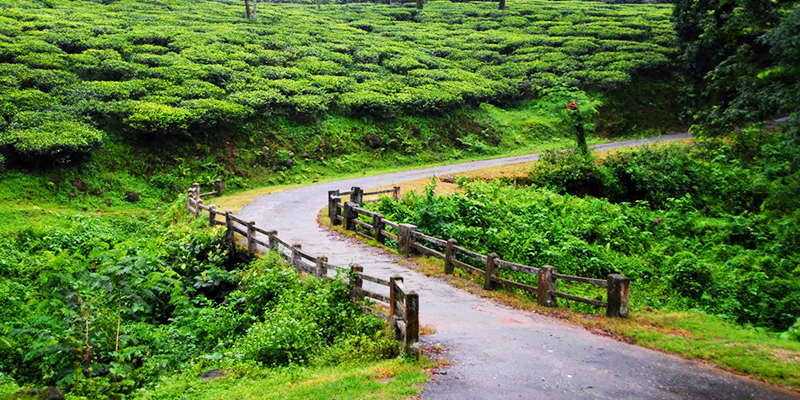
(I didn’t take this pic.)
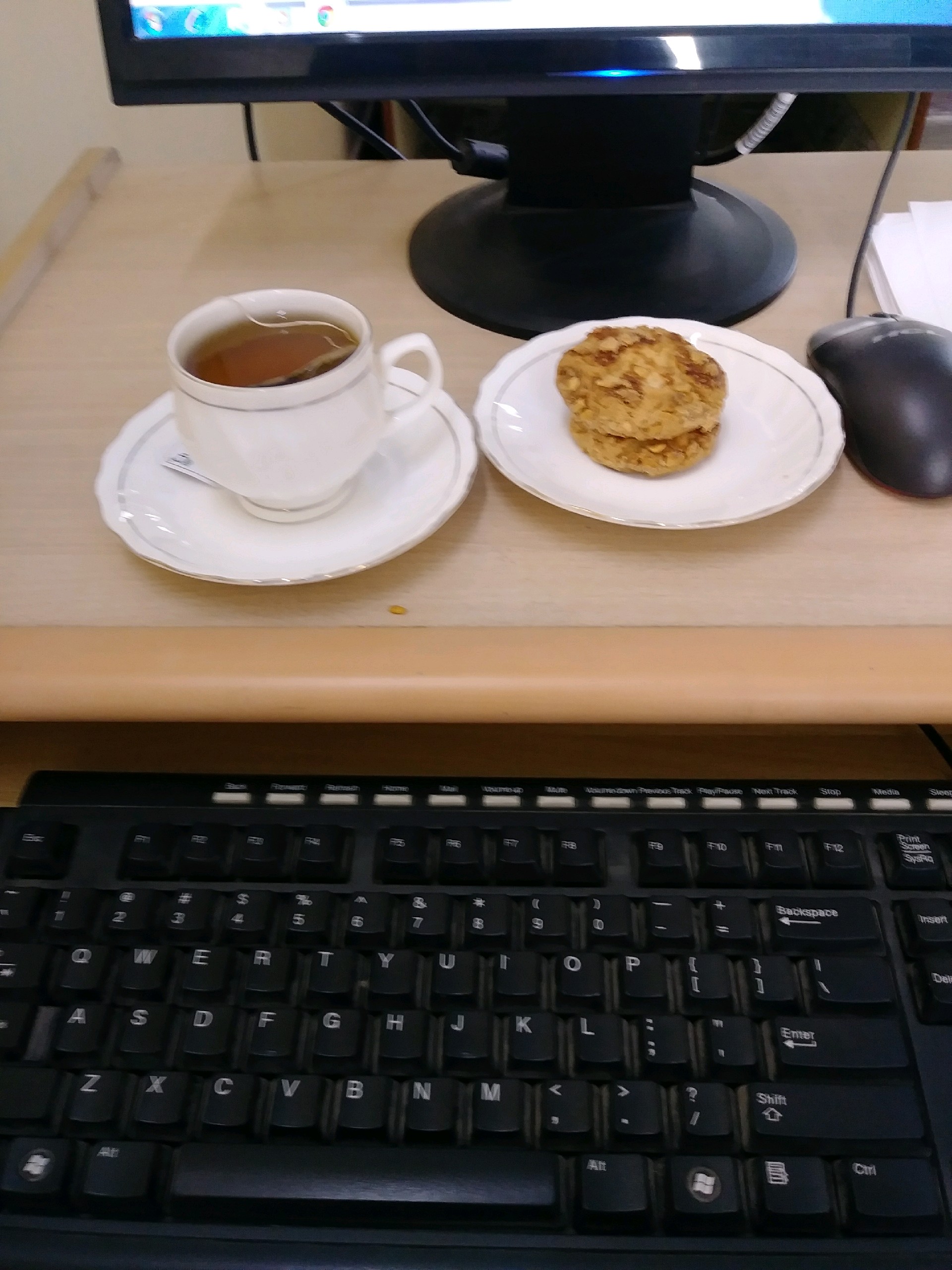
North Bengal is also, like the rest of India, a tea-drinking area. Several times each day a History Department staffer comes around to my office to ask if I want tea. It’s been established that I do want tea – no milk, no sugar please. He (remarkably it is a he) brings a small cup of tea along with a plate of “biscuits” (cookies) or namkeen – spicy snacks such as puffed rice with peanuts, roasted chickpeas or roasted mung beans and the like. Sarbari and Amitabha, who I am staying with while my flat is being painted (I always think of having to flatten myself to a ribbon in order to fit into a “flat”) have a cup of tea and a snack each evening around 7:00 to tide them over until dinner at 10:00. (Way past my still jet-lagged bedtime!)
Everyone seems to have their own favourite tea estate –hey! the spell-checker just auto-corrected that! – Lopchu, Makaibari, Goldricke, for example. Those are the first three names that popped into my head, and that is fitting, since they reflect the diversity of this area: Lopchu is a Nepali name, Makaibari a Bengali name and Goldricke, of course, is British.
China and India are the two main tea producers in the world and each have their own underlying tea culture. Of course, both claim to produce the very best tea in the world! In China and throughout East Asia most people drink green tea. Here, people drink “black” tea – except that they call it “red” tea! Green, black or red, all true tea (as opposed to herbal tea) comes from a variety of camellia, camellia sinensis, a reference to China (Sino). What makes it different is how long it is fermented after it is picked and before it is dried. Green tea is picked, then dried right away, whereas black tea is fermented for some period of days before the drying process stops the enzymatic fermentation. And then there’s oolong tea, which is fermented for an intermediate period, between green on the one hand and black on the other. (I have just pushed the outer edges of my tea knowledge envelope.)
So –black tea, red tea! Which is it? It all depends – the dried tea leaves are black, the brew they make is red – both are correct. That’s my insightful insight of the day.

 A Northwesterner in North Bengal
I didn’t know tea was fermented. Do you know how you do that? And does that mean that green and black (red) tea can originate from the same tree?
LikeLike
Hi Katie! Yes, black tea, red tea, green tea — it is all from the same plant, it all has to do with how you treat the leaves after they are plucked. Really amazing the variety. Camellia sinensis is just a type of camellia, so you can think of tea next time you see a camellia plant.
LikeLike
Wait, so does that mean I can pick leaves from my neighbor’s camellia and dry them, then brew them? (lol)
LikeLike
Try it Ellen! Serve at next book club!
LikeLike
Anyway, I doubt it would kill you (or us), but don’t quote me on that.
LikeLike
‘Lal cha’ (red tea) also refers to ‘dhud chara’ (without milk) right?
LikeLike
Heck if I know, daught! Anyway, it is dudh-less tea.
LikeLike