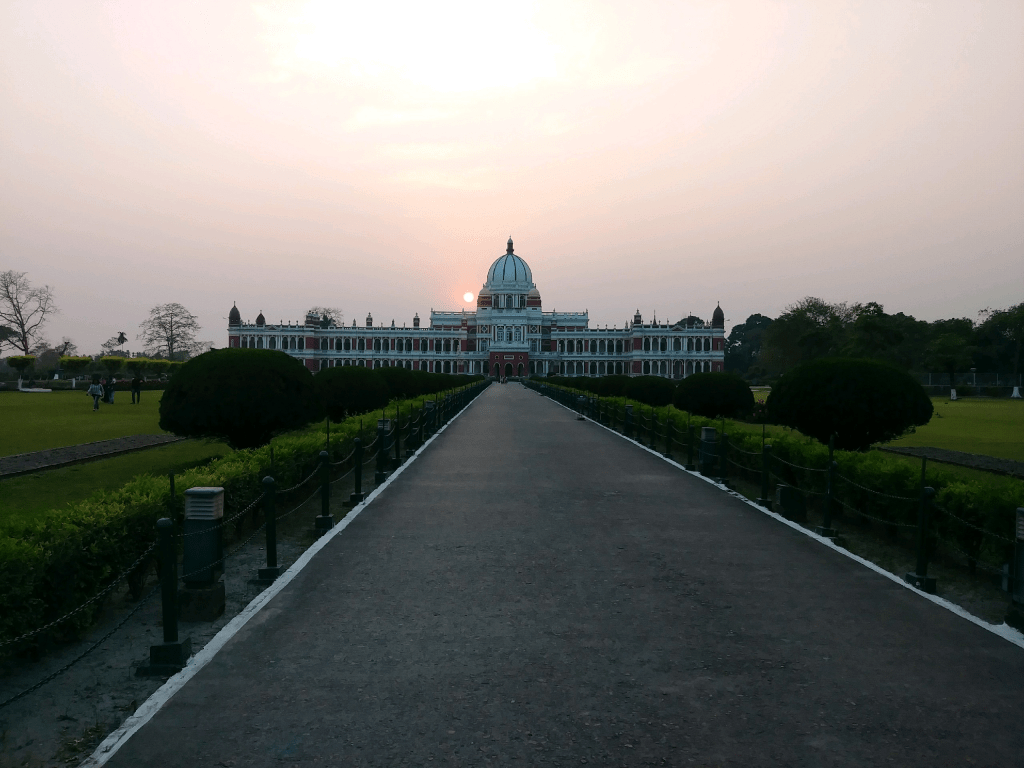
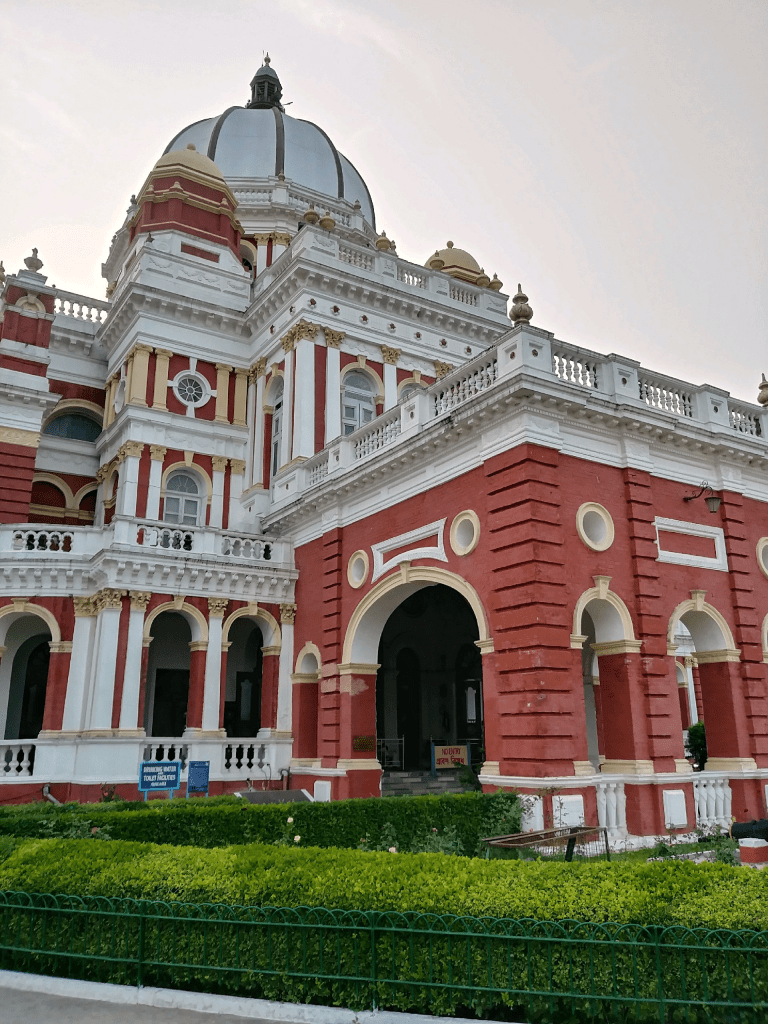
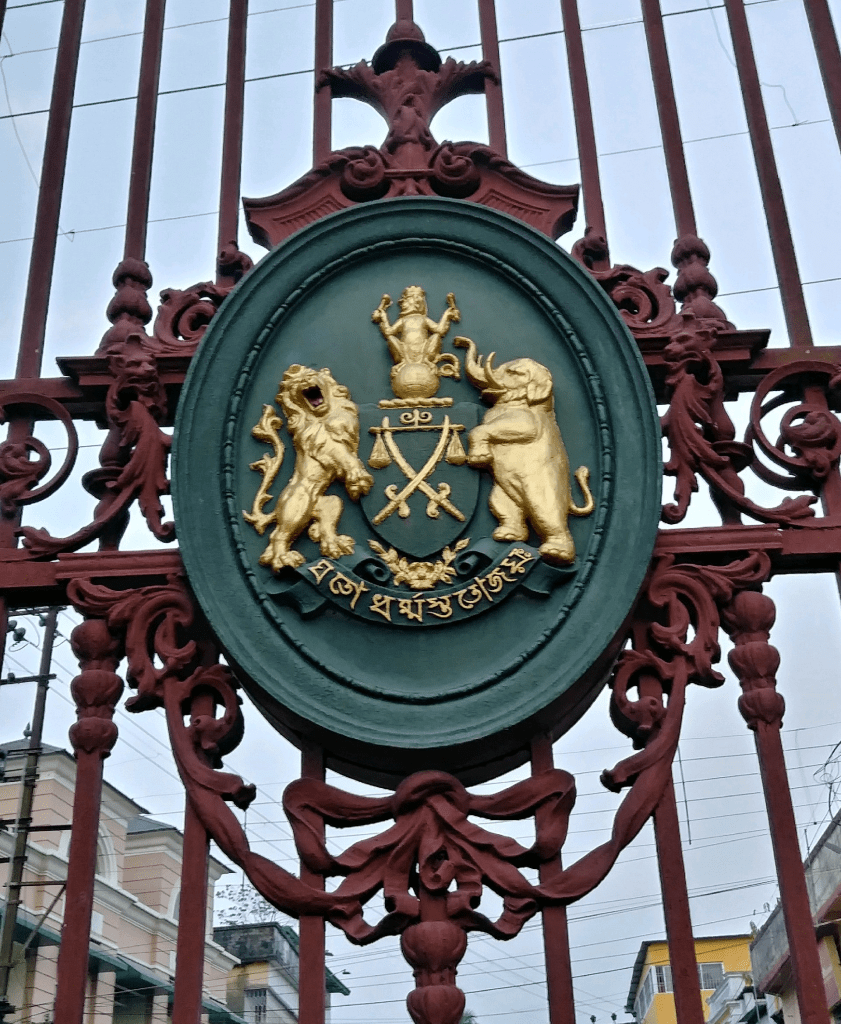
A few days ago I went to Coochbehar, the capital of the former princely state (of Coochbehar) in North Bengal, about 100 miles east of Siliguri. This is the “Rajbari,” which literally means “King’s House,” built in the late 1880s, supposedly on the model of Buckingham Palace. The ruling family, the Narayans, fell on hard times, failed to produce male heirs, and were not financially able to maintain the palace, and so unlike in Jaipur, where the remnants of the former royal family still reside in part of the City Palace, the Rajbari was not maintained and many of the artifacts it contained were looted. Sometime in the early 2000s, (I think) it was refurbished and is under the conservation of the Archaeological Survey of India. It’s now a museum. Guess what — the museum is closed on Fridays. Guess what day I was there — Friday! The main entrance, up close — it’s grand! The red and yellow color scheme is replicated on many government buildings and old residences throughout the city, which lends a charming air. The royal coat of arms — Lion and Elephant!
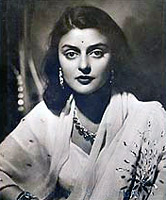
Gayatri Devi, the former Princess of Coochbehar. Do you recognize her? She was a renowned beauty, married the Maharaja of Jaipur and became Maharani Gayatri Devi.
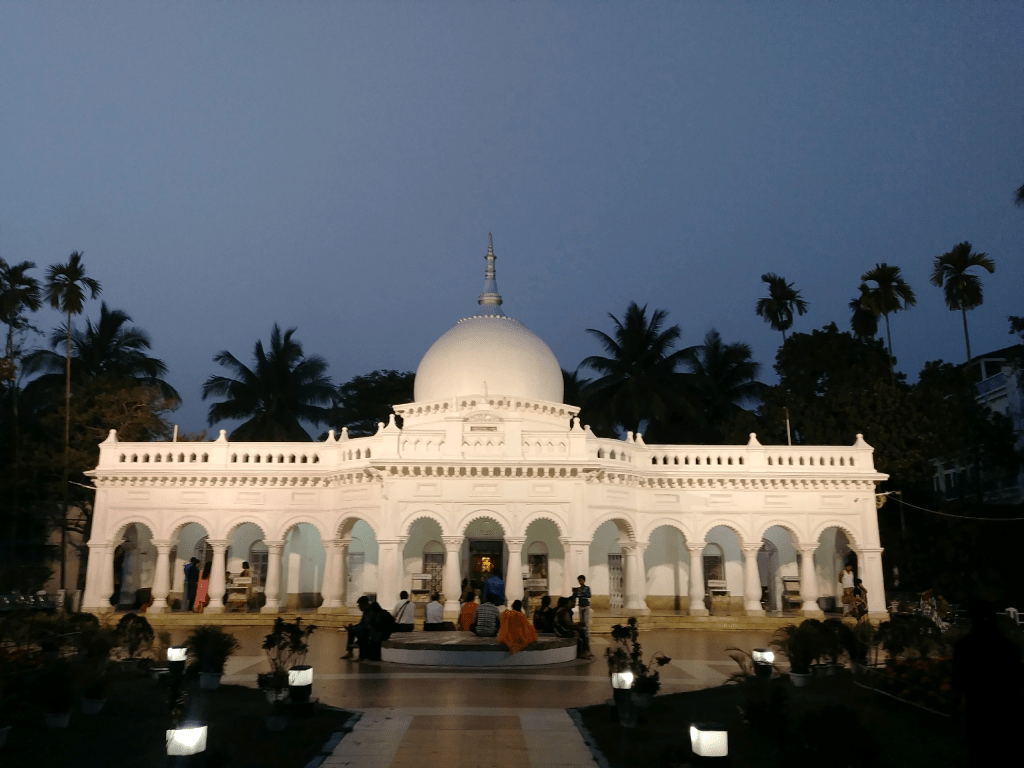
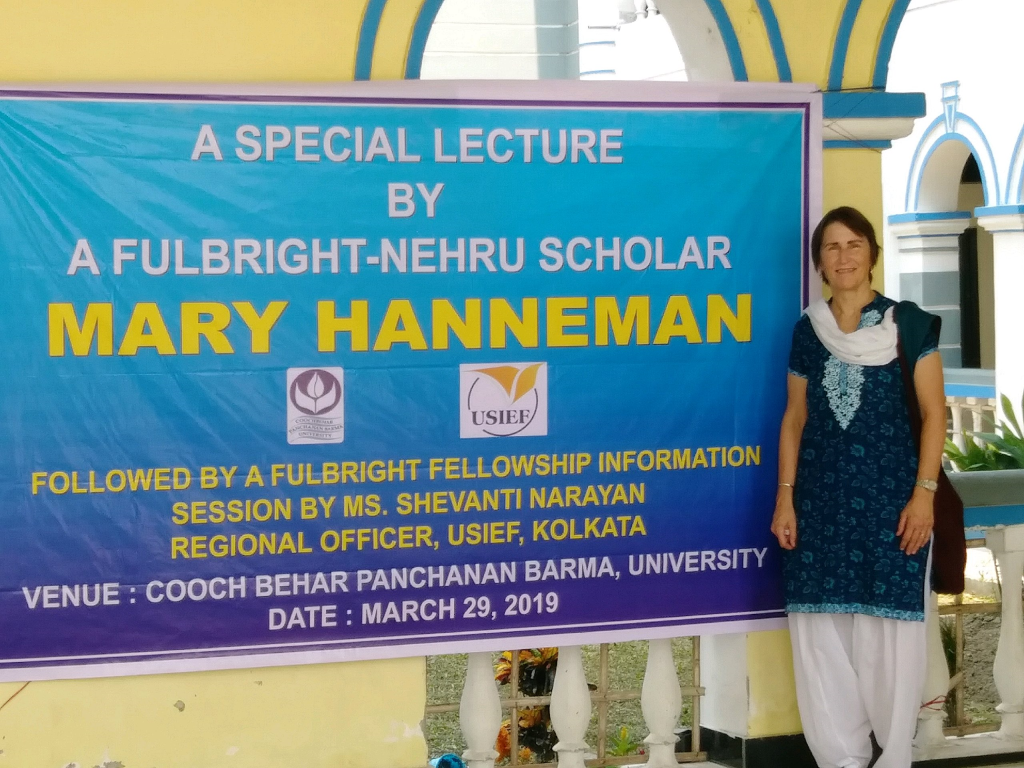
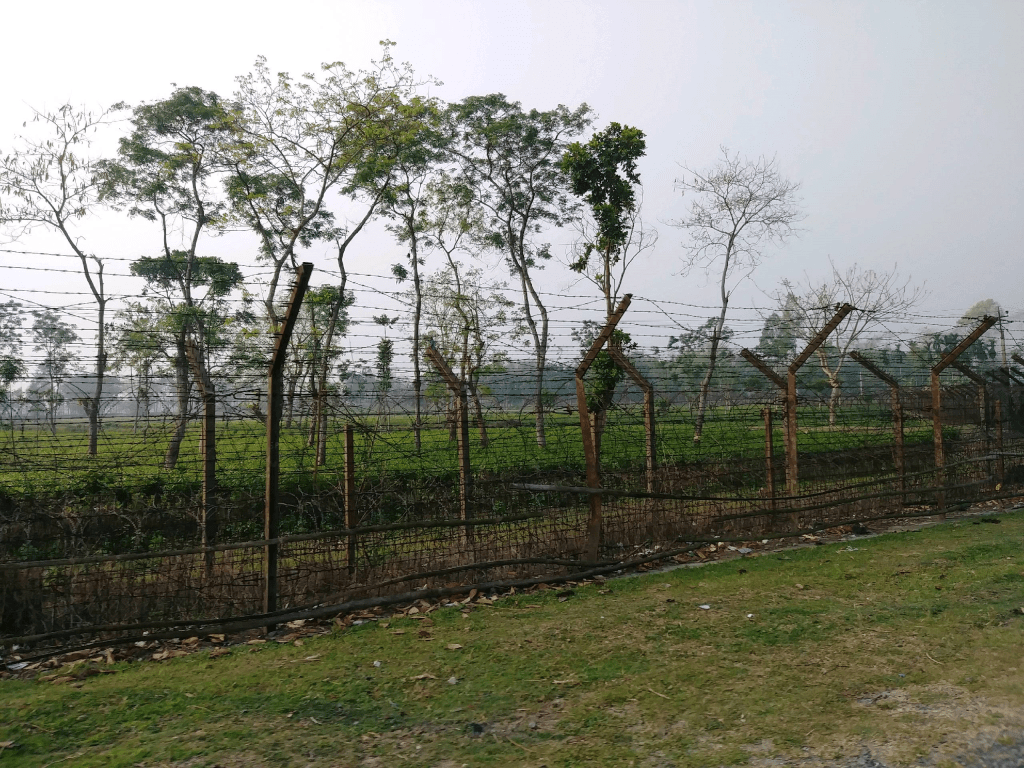
The Madan Mohan Temple in Coochbehar — it’s a Krishna temple — Madan Mohan is one of the 108 names of Lord Krishna.I gave a presentation at Coochbehar Panchanan Barma University — and they made this huge sign! My name in 1000 point font! I was pretty impressed with myself! In fact, these kind of signs are pretty common in India — no, not signs with my name on them (not yet, anyway), but big signs that announce all manner of events and so on. I was thinking of asking if I could have the sign, but common sense kicked in for once — what would I do with it? Wallpaper my living room? (Maybe if it had a headshot on it…)This picture fascinates me! This is the India-Bangladesh border! The road between Siliguri and Coochbehar skirts the border at one point for about 2o kilometers. As you can see, barbed wire! And yet there are gates that are opened each day for local residents to go back and forth because (it’s complicated and I don’t fully understand it) when the border was hastily drawn in preparation for independence (and partition) in 1947, the line went right through existing villages. And so there are some Bangladeshi enclaves within India and some Indian enclaves within Bangladesh — making those who live in the enclaves essentially stateless. As well, some people live on one side of the border while their farmlands are on the other side.
The border shot between Bangladesh and India is indeed fascinating! Look at the difference in land use patterns?! Or is that just because of where you took the pic? I’m impressed with how well they restored that old palace, although a shame you couldn’t enter! As for the banner, I think it would go very nicely next the the Big W at the top of the staircase. Adds a bit of color. And don’t worry, that W font is a bit larger than the Mary Hanneman font.

 A Northwesterner in North Bengal
Love following your travels & experiences!
LikeLiked by 1 person
The border shot between Bangladesh and India is indeed fascinating! Look at the difference in land use patterns?! Or is that just because of where you took the pic? I’m impressed with how well they restored that old palace, although a shame you couldn’t enter! As for the banner, I think it would go very nicely next the the Big W at the top of the staircase. Adds a bit of color. And don’t worry, that W font is a bit larger than the Mary Hanneman font.
LikeLike
no wonder I got a text a few weeks ago from T Mobile saying “Welcome to Bangladesh!”
LikeLike